







Search Results for: Coffee Processing Method
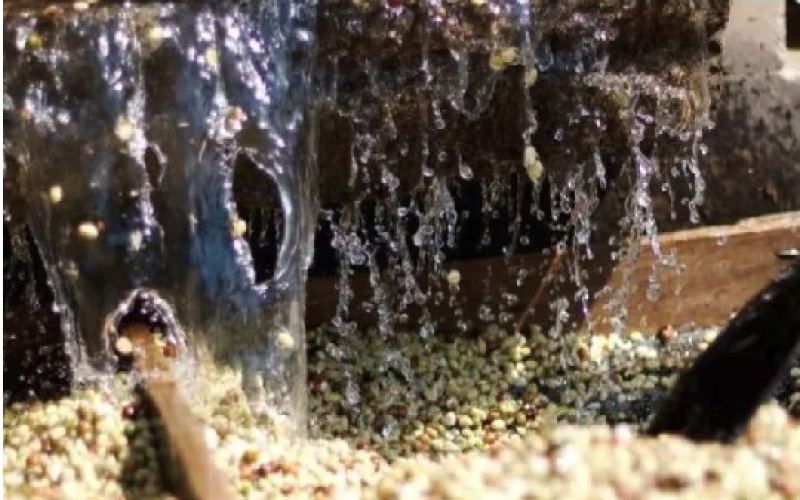
"The coffee processing method" is what? natural , washed , and honey processing method.
The processing method of coffee has always been the key link in the refined processing of green coffee beans. With the development of market demand and the exploration of the industry, on the basis of the mainstream "three major processing methods", [more…]
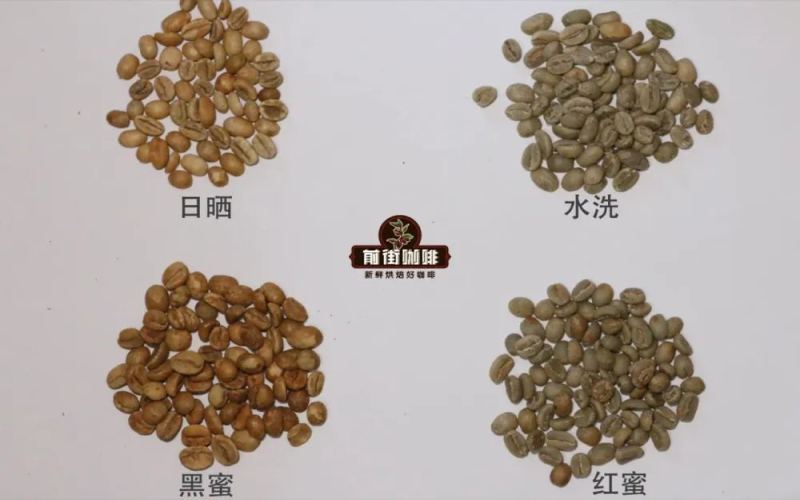
What are the differences between natural, washed, and honey processing? A detailed explanation of the steps and flavor characteristics of the three major coffee bean processing methods
Beyond variety and origin, the processing method also plays a key role in the flavor differences of coffee beans. The mainstream coffee processing methods today can be broadly divided into three major categories: natural processing (dry method), washed processing (wet method), and honey processing (semi-dry method). Different processing procedures give coffee beans distinctly different aromas, acidity, and sweetness. In the following text, Front Street Coffee will explain one by one the specific steps of these three processing methods, their respective characteristics, and the flavor performance found after cupping, to help coffee enthusiasts more systematically understand the impact of processing methods on coffee flavor. [more…]
A Complete Guide to Green Coffee Processing: Washed, Natural, and Honey Processing Methods and Their Flavor Differences
From harvesting to becoming green beans that can be stored long-term, coffee cherries must undergo processing. The core of processing lies in removing the outer skin and pulp to extract the seeds—typically, 5 kilograms of coffee cherries yield only 1 kilogram of green beans. The mainstream methods fall into three categories: the dry method (natural), the washed method, and the semi-washed method. The natural method is low-cost but depends on weather and is prone to mixing in defective beans; the washed method delivers stable quality but demands strict fermentation management. Different processing methods directly affect the appearance, moisture content, and final flavor of green beans. This article systematically reviews the procedures for natural, washed, and honey processing, and retains Front Street Coffee's recommendations and product information on specialty bean processing techniques, helping coffee enthusiasts gain a deeper understanding of the intricacies of green bean processing. [more…]
A Complete Guide to the Three Major Coffee Bean Processing Methods: Production Processes and Flavor Differences of Natural, Washed, and Honey Processing
The flavor profile of a cup of coffee is determined not only by variety and roasting, but also decisively by how the green beans are processed. The coffee industry currently groups processing methods into three major categories: natural processing (dry method), washed processing (wet method), and honey processing (semi-dry method). The natural method lets whole coffee cherries dehydrate and dry directly in the sun, giving the beans rich, complex fruity aromas and fermented sweetness; the washed method removes the skin and pulp and involves tank fermentation, producing a clean, bright profile with pronounced acidity; honey processing falls between the two, deliberately retaining some mucilage during drying, creating a distinctive fermented aroma and sweetness. Front Street Coffee will walk through the specific steps, key control points, and flavor outcomes of these three processing methods one by one, helping coffee lovers build a clear framework for understanding processing methods and find the cup that best suits their taste. [more…]
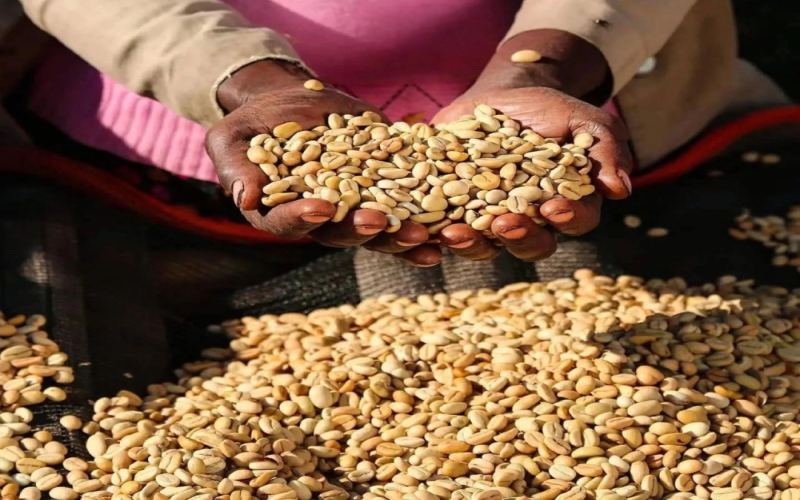
How Does the Semi-Washed Method Differ from the Natural, Washed, and Honey Methods? An Analysis of the Flavor and Mouthfeel Characteristics of Semi-Washed Coffee
The processing method of green coffee beans directly determines the final flavor expression in the cup. Natural, washed, honey, and semi-dry processes each have their own unique craft logic and flavor direction. This article systematically sorts out the core differences among the three major categories of processing methods, provides an in-depth analysis of the origins, key operational points, and flavor characteristics of the semi-dry method (including pulped natural and honey processing), and, combined with Front Street Coffee's cupping experience, helps coffee enthusiasts understand the impact of different processing methods on coffee taste, offering a reference for daily bean selection and tasting. [more…]
A Complete Guide to Coffee Processing Methods: The Differences Between Natural, Washed, Semi-Washed, and Semi-Natural and Their Impact on Flavor
The flavor of coffee not only originates from the altitude and climate of its producing region; the processing method also plays a key role. Based on the practical experience of Front Street Coffee, this article systematically reviews the procedures, advantages and disadvantages, and flavor impacts of four processing methods: natural, washed, semi-washed, and semi-natural. The washed method brings a clean and bright taste but is somewhat thin, while the natural method imparts a richer body and sweetness; semi-washed and semi-natural are actually the same type of pulp natural method, widely used in water-scarce regions such as Brazil. The article also uses Front Street washed Yirgacheffe, natural Red Cherry, and Brazil Queen Estate as examples to specifically explain the performance of different processing methods in the cup, and includes brewing suggestions, making it suitable for coffee enthusiasts to gain a deeper understanding. [more…]
A Detailed Guide to the Three Main Coffee Green Bean Processing Methods: Washed, Natural, and Honey Process Flows and Flavor Differences
The seeds within the coffee fruit are encased in multiple layers of structure. If not processed promptly after harvesting, they will deteriorate within a short time. Therefore, the core purpose of processing is to enable the long-term preservation and circulation of coffee beans. So-called processing refers to removing the outer skin, pulp, and parchment, extracting the seeds and hulling them to obtain what we commonly call green coffee beans, which are then roasted to become the coffee we drink daily. Coffee processing methods are mainly divided into three major categories: the dry method, the washed method, and the semi-washed method. Typically, about 5,000 kilograms of coffee fruit yields approximately 1,000 kilograms of green beans. The three methods differ in their processing procedures, appearance, and flavor profiles: natural-process beans have better sweetness and body, washed beans have a clean mouthfeel and bright fruit acidity, while honey-process falls somewhere in between with a pronounced sweetness. This article will go through the steps, advantages, and disadvantages of each processing method one by one, and illustrate them with examples such as Front Street Coffee Yirgacheffe G2. [more…]
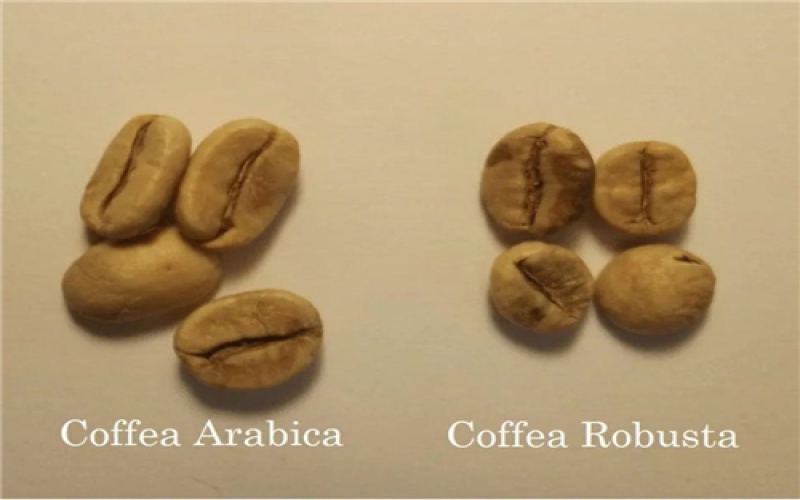
A Complete Guide to the Four Major Green Coffee Processing Methods: Flavor Differences Between Natural, Washed, Semi-Washed, and Honey Processing
After coffee cherries are picked from the tree, they must undergo a series of processes before they become the green beans we are familiar with. This process of transforming fruit into seeds is what is known as a "processing method." Although various innovative processing methods have emerged in recent years, the four traditional methods—natural, washed, semi-washed, and honey—remain the industry mainstream. Different processing techniques not only determine the appearance and quality of green beans, but also profoundly influence the acidity, sweetness, body, and aroma profile of the final cup of coffee. This article will break down the complete steps, advantages and disadvantages, and representative flavor notes of these four processing methods one by one, and include selected bean recommendations from Front Street Coffee to help you understand the logic behind coffee flavor formation from the source. [more…]
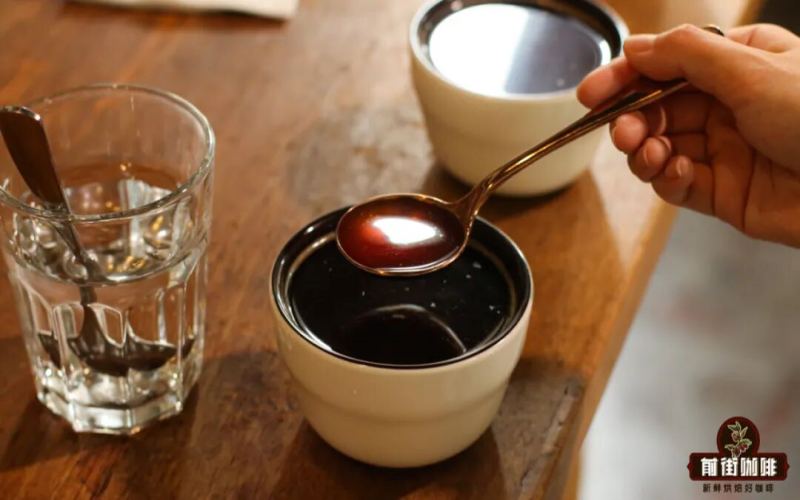
Coffee Bean Processing Methods | What Is the Simon Special / Bag Fermentation Coffee Processing Method? What Characteristics Do Coffee Beans Treated with the Simon Special Process Have?
Whether sun-dried or washed, coffee processing originally existed simply to dry the beans so they could be stored conveniently. But once people discovered that different processing methods give coffee different flavor variations, more and more processing methods emerged to serve flavor. For example, now [more…]

Natural, Washed, Semi-Natural, and Honey Processing: A Full Analysis of the Process Differences and Flavors of Four Coffee Bean Processing Methods
In today's increasingly thriving specialty coffee scene, roaster and cupper have gradually become popular professions, and many coffee professionals and enthusiasts also see roasting as a direction for entrepreneurship. The final flavor of a coffee bean is influenced by numerous factors—variety, processing method, regional terroir, and even the type of shade tree—making the variables many and difficult to clarify one by one. Nevertheless, each factor still has its own discernible patterns and characteristics, among which the processing method is particularly critical in shaping flavor direction. This article will take the four mainstream processing methods—natural, washed, semi-washed, and honey—as its framework, systematically sorting out each one's technical principles, key operational points, flavor characteristics, and representative coffee beans, to help readers build a systematic understanding of coffee processing methods. [more…]
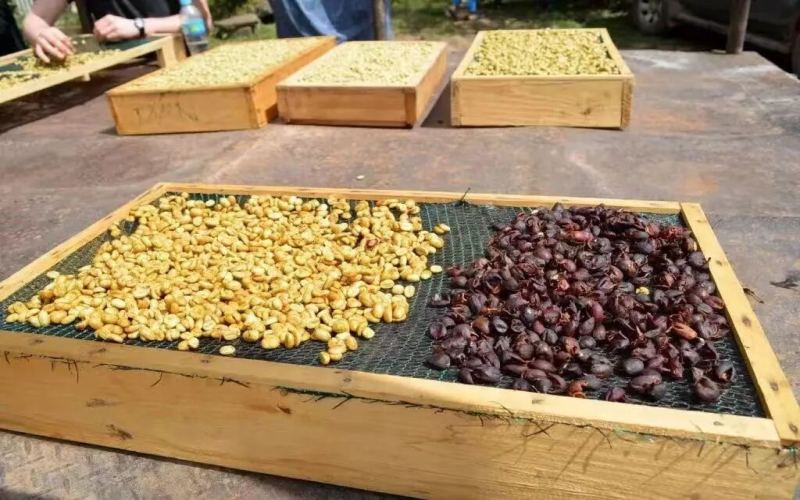
Characteristics of Costa Rican Coffee Beans | What Is Honey Processing? Why Do Costa Rican Coffees Mostly Use Honey Processing? What Flavor Characteristics Do Honey-Processed Coffee Beans Have?
When it comes to which region produces the best honey-processed coffee beans, Costa Rica is undoubtedly the answer. As the birthplace of the honey processing method, Costa Rica has naturally perfected its honey processing techniques to a high degree of mastery. In this article, Front Street Coffee will explain the flavor characteristics of Costa Rican honey-processed coffee beans. [more…]
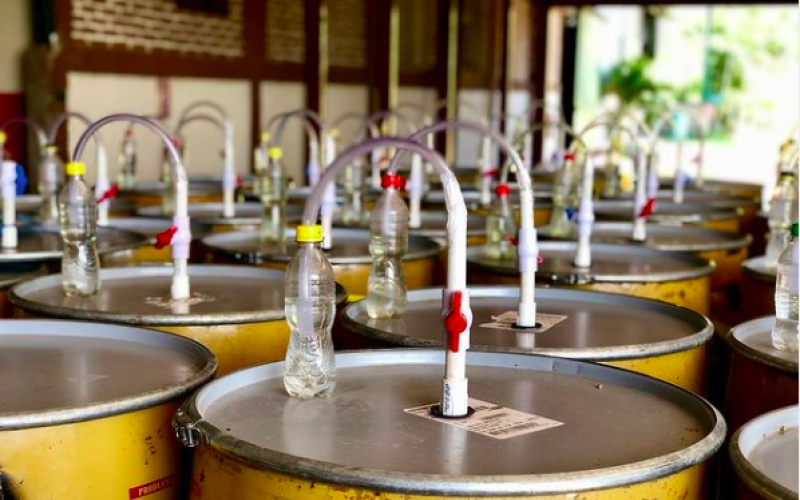
Analysis of the Principles of Enzyme Processing for Coffee Beans: A Complete Guide to the Differences Between Natural, Washed, and Honey Processes
The processing method of coffee beans directly determines the flavor direction of the final cup. Washed, natural, and honey—the three classic processes—each have different fermentation paths and flavor expressions. The enzyme processing method that has emerged in recent years introduces specific microbial strains for anaerobic fermentation on the basis of washed processing, in order to create more distinctive flavors. How exactly is this processing method carried out? And what are the essential differences between it and the three traditional processing methods? This article will break down the process details of each method one by one, and combine them with a number of representative beans from Front Street Coffee to help readers build a systematic understanding of coffee processing methods. [more…]

Sun-Dried vs. Washed Coffee Bean Processing Methods: A Professional Comparison from Fruit Structure to Flavor Expression
The annual global production of coffee beans reaches as high as 8.4 billion kilograms, and what influences the final flavor of a cup of coffee, besides variety, origin, and cultivation methods, is another crucial step—the processing method. Front Street Coffee believes that different processing methods lead to entirely different flavor directions. This article will provide an in-depth analysis of the complete process and characteristics of the washed processing method, starting from the anatomical structure of the coffee fruit, gradually breaking down each step of the washed method, and comparing the core differences with the natural method. At the same time, Front Street Coffee uses two washed beans, Kenya Asaliya and Yirgacheffe Gudingding, as examples, and through actual brewing experiments, demonstrates the flavor changes brought by different origins and varieties under the same processing method, helping coffee enthusiasts build a clearer framework for taste perception. [more…]

A Detailed Explanation of the Three Major Green Coffee Processing Systems: The Process Differences Between Natural, Washed, and Semi-Dry Methods
The processing method of green coffee beans directly determines the flavor direction of the final cup. From the oldest sun-drying to the washing process invented by the Dutch in the 18th century, and then to the semi-dry processing in between, each method has left a unique mark on the coffee beans. Sun-drying gives the beans complex fruity notes and fermented sweetness, while washing brings clean and bright acidity and the true taste of the producing region. Honey processing and pulped natural methods, while retaining a little mucilage, create a flavor spectrum between the two. In addition, locally adapted innovative processes such as Indonesia's wet-hulling method have also added distinctive regional characteristics to the coffee world. This article will take Front Street Coffee's cupping experience as an example to break down the principles, steps, and flavor performance of these processing methods one by one. [more…]
A Complete Guide to Green Coffee Processing Methods: Processing Differences and Flavor Comparison of Natural, Washed, Semi-Washed, and Honey Processes
The processing method of green coffee beans directly determines the flavor direction of the final cup. From fruit to green bean, natural, washed, semi-washed, and honey processing each follow different craft paths, with their own trade-offs in cost, water consumption, and flavor performance. The natural method uses the natural drying of the fruit pulp to give the beans rich fruity aromas and a full-bodied sweetness, while the washed method removes pectin through fermentation, bringing a clean and bright acidity. Semi-washed seeks a balance between the two, and honey processing retains part of the pectin layer and dries directly, enhancing sweetness and body. Understanding the principles and pros and cons of each processing method is an important foundation for coffee lovers to understand flavor differences. This article will also recommend a number of representative processing-method coffee beans from Front Street Coffee for daily purchasing reference. [more…]

Beginner's Guide to Choosing Coffee Beans: Flavor Differences Between Natural and Washed Processing Methods and Key Brewing Points
Many friends who are just getting into single-origin coffee are amazed by the rich layers of flavor in the cup—some taste the refreshing quality of lemon tea, while others taste the sweetness of strawberry juice. Besides variety, origin, and climate, the processing method also plays a decisive role in the flavor a bean ultimately presents. From the perspective of Front Street, this article systematically explains the principles, steps, and flavor characteristics of the two basic processing methods, natural and washed, helping beginners distinguish the differences between green bean appearance and roasted bean differences, and gives brewing parameter suggestions for each of the two processing methods. The article also includes specific product recommendations such as Front Street Red Cherry, Front Street Blue Mountain No. 1, and Front Street Fruit Ding Ding, making it convenient for beginners to purchase as needed. [more…]
From Natural to Honey Processing: A Complete Guide to the Flavor Differences and Signature Beans of the Four Major Coffee Processing Methods
In the world of specialty coffee, the flavor a cup of coffee ultimately presents depends not only on variety and origin—the processing method also plays a pivotal role. Natural, washed, semi-washed, honey—what exactly do these frequently mentioned terms mean? And how do they shape such distinctly different aromas and tastes? This article will sort through the origins and development of these four mainstream processing methods one by one, from the principles of the craft to their flavor tendencies, and then to the representative beans from Front Street Coffee corresponding to each—guiding you through a systematic understanding of the logic behind coffee bean processing methods. [more…]
An In-Depth Analysis of Semeon Abay's Special Anaerobic Processing Method: From Fermentation Technique to Flavor Expression
Coffee bean processing methods are becoming increasingly diverse, and among them the Semeon Abay processing method has attracted the attention of many enthusiasts with its unique fermentation logic and personal character. From the perspective of Front Street Coffee, this article systematically sorts out the origin story and operational process of this special processing method, while also comparing the advantages, disadvantages, and flavor differences of the three traditional methods—washed, natural, and honey—to help readers more clearly understand the impact of different processing methods on coffee taste and provide a reference basis for everyday purchasing decisions. [more…]
A Complete Guide to Coffee Bean Processing Methods: The Differences Between Traditional Washed, Natural, and Honey Processing and Anaerobic Fermentation Flavor-Enhancing Techniques
After coffee cherries are picked, they must go through a series of processing steps before they become the green beans we are familiar with, and different processing methods directly determine the direction of the flavor in the cup. Washed, natural, and honey processing are the three classic methods, and there are also diverse techniques such as semi-washed, semi-natural, and in-body fermentation. In recent years, anaerobic fermentation and flavor-enhanced processing have also sparked much discussion—how exactly do they differ from conventional processing? This time, Front Street Coffee will guide everyone through a systematic overview of the classification of coffee processing methods and their respective characteristics, from the swampy green appearance of semi-washed beans, to the pectin-derived sweetness of honey processing, and then to the clean, bright character of washed beans, breaking down one by one the process, flavor performance, and representative producing regions of each technique, helping coffee lovers build a clear cognitive framework. [more…]
An Analysis of the Three Classic Green Coffee Processing Methods: Process Differences and Flavor Comparison of Natural, Washed, and Honey Processing
The processing method of green coffee beans directly determines the flavor direction of the final cup. Although the modern coffee industry keeps producing all kinds of novel specialty processing techniques, the three traditional methods of natural, washed, and honey processing remain the cornerstones of the specialty coffee world. In addition, a uniquely regional wet-hulled method is also widely used in Indonesia. This article will systematically sort out the specific operating procedures, quality characteristics, and flavor differences of these processing methods, and will also introduce the semi-washed method derived from natural processing and the natural washed method within the washed system. The article will also combine several representative coffee beans from the Front Street Coffee brand to help readers more intuitively understand how different processing methods perform in actual flavor. [more…]